India’s massive. You can’t just pick a random month and expect perfect weather everywhere, trust me. I’ve seen enough monsoon floods and scorching plains to know. Deciding when to go where takes planning. The cool, dry season (December to March) is your safest bet for most places. If you’re smart, shoulder seasons (October, November, April) mean fewer tourists, cheaper rooms. Monsoon (mid-June to early September) isn’t a write-off, but pick your spots carefully.
January: Don’t freeze up North
Peak winter. North India’s foggy, most regions pleasant. South India’s warm, clear. Goa’s great for beaches, nightlife, watersports. Rajasthan (Jaipur, Jaisalmer, Udaipur) has cold nights, warm dry days—perfect for forts. Delhi’s cold; Republic Day is huge. Book southern spots early; flights get expensive.
February: Probably the best month, honestly
Milder winter. One of the best months overall. Warm, sunny everywhere; no northern fog, fewer crowds. Jaipur (15-25°C) is good for Basant Panchami or the Literature Festival. Goa still has Carnival. Alleppey and Kochi in Kerala are excellent. Central India’s wildlife parks (Kanha, Bandhavgarh) are best for tiger safaris.
March: Holi and hills
Winter’s done, spring’s here. Landscapes bloom. Holi, the festival of colors, is a riot. Rishikesh hosts its International Yoga Festival (first week) with good weather. Darjeeling’s tea gardens are lush, skies clear for Kanchenjunga views, less crowded than summer. Wildlife parks are still solid; heat might thin vegetation, improving tiger sightings.
April: Escape to the mountains
Summer starts creeping in. It gets warm. Hill stations are your escape: Manali, Shimla, Dharamshala (Himachal Pradesh) are cool. Rishikesh is still good for adventure. Southern spots like Munnar, Ooty, Coorg offer peace. Pack light, drink water, sightsee early.
May: Get out of the plains (it’s really hot)
It’s hot. Seriously. May and June are generally the worst. Skip the plains; go high. Ladakh opens now (crisp air, sparkling lakes), accessible June-September. Northeast India (Meghalaya, Sikkim) is a good option. Shillong has waterfalls, hills. Shimla and Manali are fine for a slow break.
June: Monsoon starts, Ladakh’s ready
Summer turns to monsoon. First showers. Ladakh is excellent for trekking—exactly when you want to be there. Spiti Valley too. Kerala’s monsoon is ideal for Ayurvedic treatments (they say moist air helps). Himachal/Uttarakhand hill stations are cool, misty, full of waterfalls. Goa in monsoon has a different feel: less crowded, lush, good for trekking.
July: Still monsoon, still Ladakh
Monsoon continues. Everything’s lush. Ladakh still has perfect weather, views; trekking season is in full swing. Hill stations in Himachal and Uttarakhand are still cool. The Valley of Flowers (Uttarakhand) blooms. Goa’s less crowded, worth seeing in the rain. Kerala’s still good for Ayurvedic retreats.
August: Rainy magic, especially in Udaipur
More monsoon. Udaipur in Rajasthan is drier than most of central/north-east India and looks pretty magical in the rain. Good deals. Mount Abu, Rajasthan’s only hill station, is green and cool. Goa’s still charmingly wet. Ladakh still has ideal weather. Munnar, Coorg, Lonavala, Mahabaleshwar (Western Ghats) come alive with waterfalls.
September: Monsoon’s out, clear skies in
Monsoon starts fading. Rajasthan sees the end, good value. Post-monsoon freshness, clear skies are perfect for forts. Ladakh’s season winds down, but travel is still possible. Srinagar, Leh, Ziro, Kochi, Rishikesh, Jaipur are less crowded, cheaper. Onam and Navratri festivals also start up.
October: Everyone’s back!
Peak travel season kicks off. Rains are gone up north, sun’s back, temperatures good. The Western Ghats look incredible. Rajasthan’s desert areas turn green after rain. National Parks are drier, animals more active. South India might still get unpredictable showers, but it’s very green. Diwali celebrations (Ganga Aarti in Varanasi) are spectacular. October 2nd is Gandhi’s birthday, a national holiday.
November: Probably the actual best month
This is often the best month, seriously. Sunny weather, clear skies in central regions. North India’s fresh and clear. South India’s finally done with monsoon and great to visit. The Golden Triangle (Delhi, Agra, Jaipur) is packed with festivals. Himalayan spots like Shimla, Manali, Srinagar are warm, dry. Central India (Mumbai, Pune, tiger reserves) is ideal. Calcutta, Varanasi, Lucknow are best from November to March.
December: Everyone goes south (plan early!)
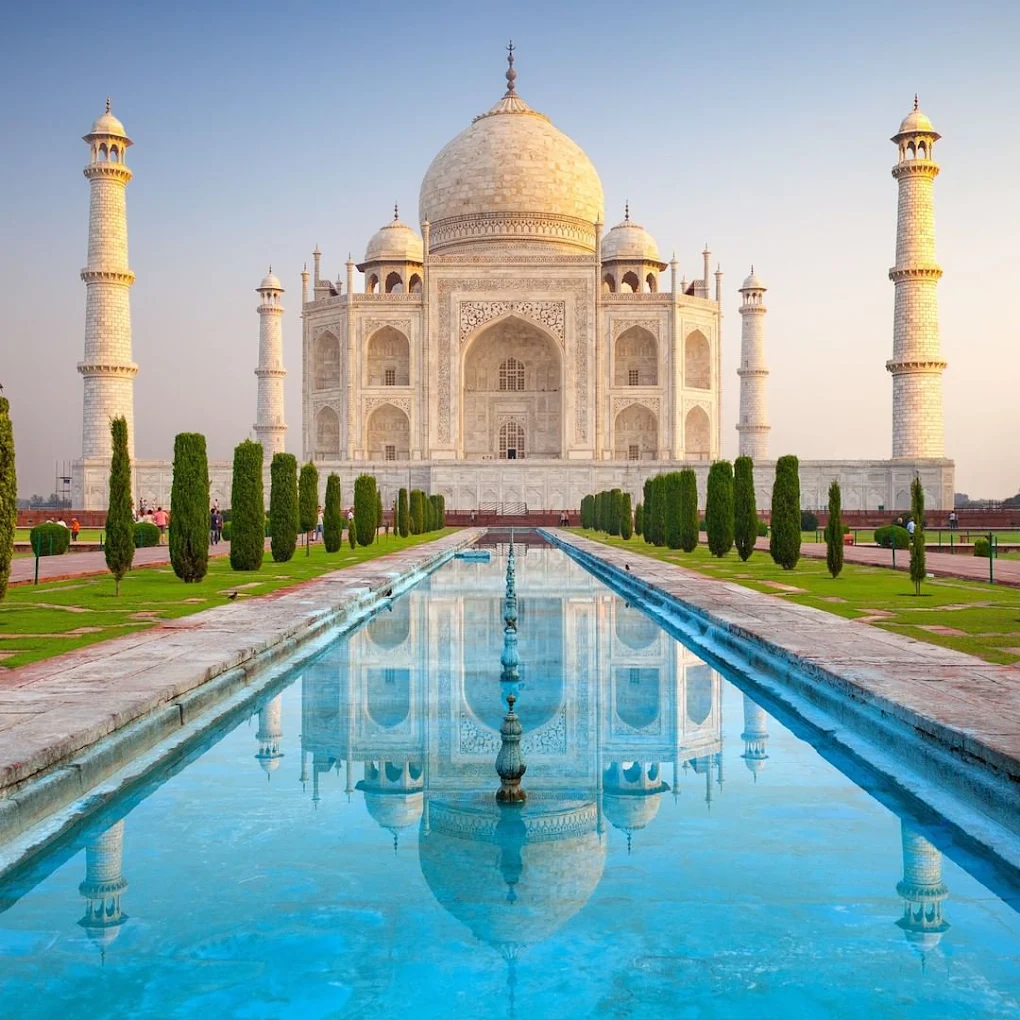
December’s popular. South India’s beautifully sunny, warm—everyone heads there for Christmas, so plan way ahead. Goa and Arambol are packed with sun-seekers. North India’s daytime is nice, but mornings and evenings are cold/foggy. The Taj Mahal might be misty at sunrise (sunset views are still good). Himachal and Uttarakhand get snow. Mountain regions often close. Expect crowds, high flight prices.
Quick practical tips for India travel
- Drink water. Especially in summer.
- Light clothes. Cotton/linen for warm months; layers for spring.
- Start early. Beat heat and crowds. That Taj Mahal sunrise is worth the effort.
- Shoulder seasons. April, October, November mean fewer people, lower costs.
- Keep your wits about you. Scams happen. Look up local customs.
India’s a sensory overload. Get ready.

0 Comments