Alright, you wanna know about India. It’s a lot. Intense, often chaotic, but always an experience. If you’re asking me for the absolute top places to hit in India, here’s the rundown, based on a lot of budget travel and learning lessons the hard way. Don’t expect pristine; expect real. And always, always negotiate.
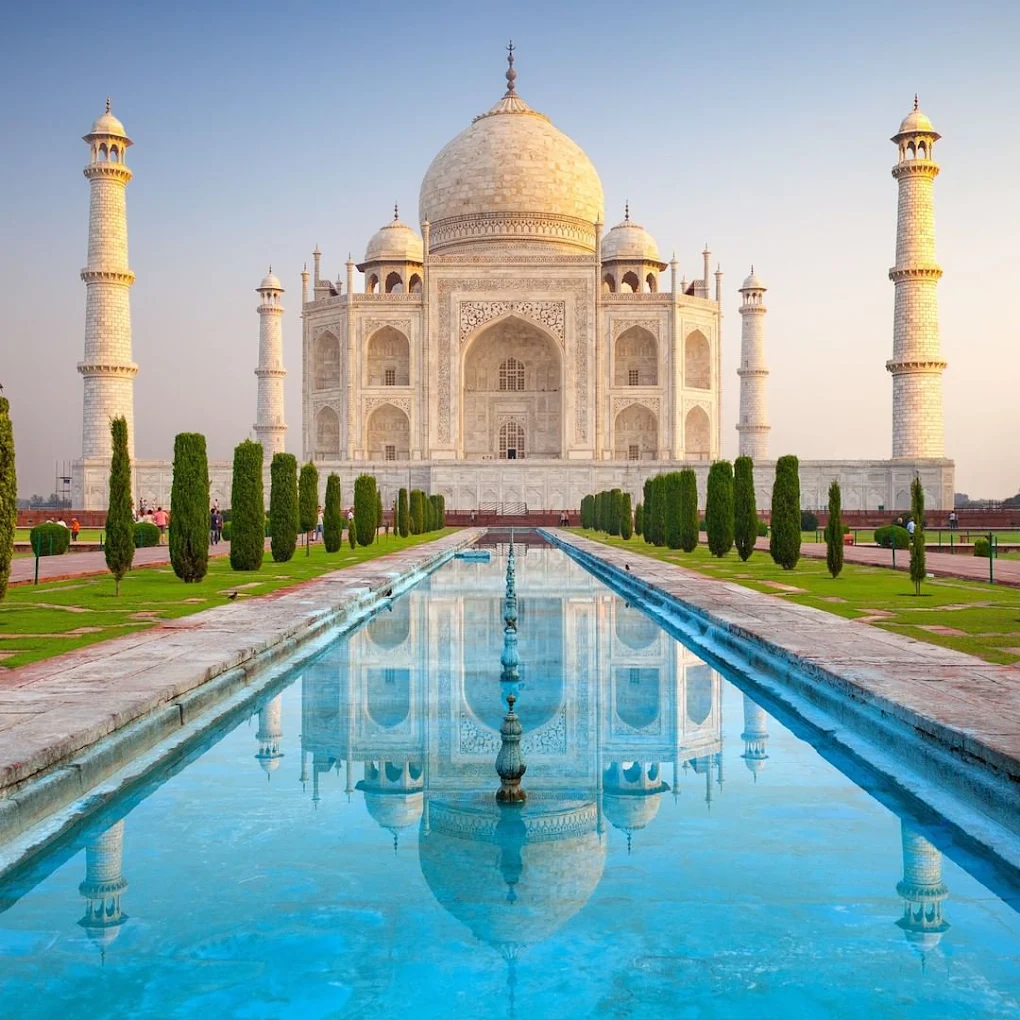
Agra, Uttar Pradesh: So, the Taj Mahal.
Let’s get the obvious out of the way. Agra has the Taj Mahal. It’s a UNESCO site. Yes, it lives up to the hype, mostly. But timing is everything.
You wanna go October to March. Temps hover around 12-15°C, perfect for walking. Just know December and January get swarmed. Avoid summer (April-June) unless you love 40°C heat and fewer people. Monsoon (July-September) means humidity, but things get green.
Get to the Taj at sunrise. I mean it. Fewer crowds, better light. It’s closed Fridays. Also, watch out for peak winter (mid-November to mid-January); fog can actually hide the Taj. You don’t want that after a long flight. Agra Fort’s worth a look too. Same with Fatehpur Sikri, that old abandoned city nearby. Most folks fly into Delhi, then road or train it to Agra. The Yamuna Expressway gets you there fast.
Jaipur, Rajasthan: It’s Pink, Yeah.
Jaipur, the Pink City, has forts, markets, and a real sense of history. It’s in a semi-desert region, so it’s dry.
October to March is prime time. Weather’s cool, about 8-25°C. Good for sightseeing and shopping. Indian tourists come in droves November-February for the cooler air. Monsoon (July-September) brings some rain and greener views.
Hotels and flights get pricey in winter. Those chilly evenings, though? Perfect for crisp jalebis with steaming milk. Go explore the forts and palaces. The markets are something else, but you’ll definitely need to bargain.
Goa: Beaches, Parties (or not).
Goa is India’s beach state. North Goa is lively, South Goa is quieter. It’s tropical.
November to March is peak season for a reason. Clear skies, low humidity, 20-32°C. Great beach weather. December and January are absolutely packed because of holidays; trains disappear fast. Monsoon (July-October) brings heavy rain, super green landscapes, and a bit of peace. Just know water activities might be limited. Summer (March-May) is hot and humid, but cheaper and fewer people. Good for adventure water sports if you can take the heat.
Book trains way ahead, especially in peak season. An air-conditioned sleeper bus from Mumbai is around Rs 1,000. In summer, don’t even think about afternoon excursions. Just hang out. There’s more than just beaches, too: Aguada Fort, Basilica of Bom Jesus, Dudhsagar Waterfalls. And yeah, winter’s when all the parties happen.
Kerala Backwaters: Yeah, God’s Own Country (canals edition).
Kerala, “God’s Own Country,” is famous for its backwaters. Think palm trees, canals, and lagoons. Vembanad Lake is India’s longest.
Go November to March. It’s dry, sunny, and the backwaters are calm. Perfect for houseboats. Expect temps around 27-32°C. For a January houseboat, book 4-6 weeks ahead. Monsoon (June-September) means heavy rain and green everywhere. Some people say it’s best for Ayurvedic treatments then. Flooding happens, so houseboat trips might slow down. Summers are hot and humid by the coast, but the hill stations are alright.
A houseboat (kettuvallam) is the classic thing to do. An overnight stay runs upwards of Rs 3,500. Want it cheaper? Hop on a public ferry. They’re Rs 300 for an 8-hour ride between Alappuzha and Kollam, and you’ll see actual local life. You can find houseboats as low as €150/night for the smallest ones. Just make sure your houseboat has a proper sewage tank (trust me on this). Fly into Kochi or Trivandrum, then head to Alappuzha or Kumarakom.
Varanasi, Uttar Pradesh: Brace Yourself.
Varanasi (Kashi, Benaras) is one of India’s oldest, holiest cities. People call it the ‘Spiritual Capital.’ Honestly, it’s not for everyone, particularly if it’s your first time in India.
October to March gives you nice weather for the ghats and temples. November’s great for festivals. January has crisp air, but watch for foggy mornings. Summer (April-June) is brutally hot, over 40°C. You’ll only do stuff early in the morning then.
Varanasi is intense. It’s loud, it’s crowded, and it’ll show you life and death up close. You’ll see aarti rituals and cremation ceremonies right on the Ganges. Listen: do NOT take photos of cremations; that’s just disrespectful. And do NOT get in the Ganges; pollution is a serious problem. The lanes behind the ghats are a complete maze. Make sure you memorize your guesthouse name and which ghat it’s near. Always negotiate for boat rides and rickshaws. This isn’t a party city. It’s for watching, listening, soaking it all in. Walk along the river. Touts are everywhere, so be wary. The roads have gotten better with new highways, at least.
0 Comments