Forget what you think you know about crowds. Sri Harmandir Sahib (the Golden Temple) in Amritsar? Yeah, that’s on another level. It’s not just a building, it’s a living, breathing place, open 24/7. The main temple itself is open from about 2:30 AM to 10:00 PM. Is it worth going? Absolutely. But you’ll definitely need a plan.
So, this whole Sikh site is built around a man-made pool, the Amrit Sarovar. That name means “pool of nectar,” by the way. Guru Ram Das started building it in 1577, and Guru Arjan Dev finished the job in 1604. Get this: a Muslim saint, Hazrat Mian Mir, even laid the foundation stone. That tells you a bit about its original vibe. Later, in 1830, Maharaja Ranjit Singh covered the main shrine with gold foil. That’s why we call it the Golden Temple now. It really is open to everyone, no matter what you believe or where you’re from. They put four gates, one in each direction, just to make that clear.
Getting there without losing your mind (and when to show up)
The Golden Temple’s right in the old part of Amritsar, Punjab. So, getting there isn’t too complicated. If you’re flying in, Sri Guru Ram Dass Jee International Airport (ATQ) is about 11-15 km out. From there, you’ve got a few ways to get to town:
- Public Bus: This is your cheapest bet, ₹20-₹50. Plan on about 1 hour 25-31 minutes for the ride.
- Shuttle Service: A shared ride costs ₹200-₹500. It’s faster, around 30-45 minutes.
- Taxis/Cabs: A prepaid taxi runs ₹200-₹300. You can also use Uber or Ola; travel time is roughly 14-37 minutes.
If you’re arriving by train, Amritsar Junction Railway Station (ASR) is under 2-3 km from the temple. Auto-rickshaws or e-rickshaws are around ₹10 per person and take 10-15 minutes. They even have a free bus service. Or you can walk it, especially if you don’t have a lot of bags. Most visitors go in through the Ghanta Ghar (Clock Tower) Gate, walking down Heritage Street.
Aim for October to March if you can. The weather’s cooler then, much more pleasant. If you want anything resembling peace and quiet, go early. I mean early. Before 6:00 AM, or real late evening or night. That’s when you’ll duck the worst of the crowds. You could even catch the Prakash ceremony (when they install the Sri Guru Granth Sahib) around 3:30 AM in summer, or 4:00 AM in winter. The Sukhasan ceremony (the Holy Book’s return) happens around 9:30 PM. And seriously, do not go on weekends or during major Sikh festivals. Just don’t. It’s a total madhouse.
What you should actually do (and what to skip, because you’re busy)
First, you’ll do the Darshan (that’s viewing the shrine). Always expect long queues, by the way. But the biggest thing, for real, is the Langar Seva, their community kitchen. It serves 60,000 to 100,000 vegetarian meals every single day, for free. To absolutely everyone, 24/7. You sit on the floor in rows (a pangat) and eat. You can even volunteer if you want, which is a proper insight into Sikh values. Walking around the Amrit Sarovar (called the Parikrama) on the marble walkways is also something you should do. Some pilgrims actually bathe in the Sarovar, thinking it has healing powers. There are separate areas for men and women.
There’s a Central Sikh Museum inside the complex, full of art and artifacts. Honestly though, if you’re strapped for time, just skip it. The temple complex itself is the whole point. If you’ve got questions, there’s an Information Centre near the clock tower entrance.
Rules and why you’d better pay attention
You can’t just stroll in here. Modest clothing is a must. Your shoulders and knees have to be covered. No sleeveless tops, no shorts, and definitely no mini-skirts. Full-length jeans with a long top? That’s fine. A head covering is compulsory for everyone too. Scarves or even handkerchiefs work. They hand out free coverings at the entrance, or you can just buy one. But no hats as head coverings. You also have to take your shoes and socks off before you go in. There’s a free shoe storage place called the Jorha Ghar. You’ll wash your hands and walk through shallow water to clean your feet. It’s all about humility, really.
No cigarettes, no alcohol, no gum, no intoxicants of any kind are allowed inside. Don’t even think about it. Photography is okay in the outer Parikrama (those walkways around the pool). But it’s prohibited inside the main sanctum (Harmandar Sahib) and on the causeway leading to it. Seriously, don’t be “that” person trying to sneak a shot where it’s not allowed. Keep quiet, speak softly. And don’t point your feet towards the temple when you’re sitting. Just simple respect.
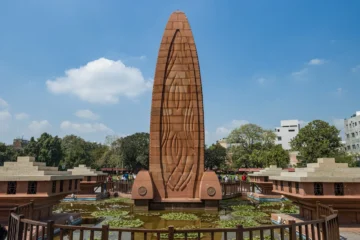
Outside the temple complex, Jallianwala Bagh, a historic park, is just a short walk. The Wagah Border Ceremony, about 30 km out, is a loud, interesting spectacle between India and Pakistan. It’s a bit of a trip to get there, but it is an experience. The Partition Museum is also definitely worth your time. Go to Amritsar, yes, but be ready for something genuinely different there. It’s a place that sticks with you.
0 Comments